
Want To Make Money Online In 2026? - You NEED Your Own Website
Stop Renting. Start Owning. Control Your Income & Destiny.

If you want to make money online in 2026, you need your own website.
This is true for Substack creators, freelancers, affiliate marketers, and anyone looking to build online income streams that are resilient.
Without your own website, you’re at the mercy of platform rules and algorithms.
With your own website, you have the keys to the kingdom and can actually control your online income and destiny.
Today, I’m sharing actionable strategies and advantages you unlock with your own website. This includes tactics to build profitable audiences, unlock powerful monetization methods, and more.
Let’s get to it!
💻 Launch your own professional website in minutes with Hostinger!
Hostinger lets you create a professional website in minutes with 150+ templates and its new AI website builder. This is perfect for writers, freelancers, service-based businesses, and more.
Plans also start as low as $2.99 per month. This is like paying a cup of coffee once a month to launch your own online website, build a brand, and grow your business.
There’s also a great New Year’s sale running now, so it’s the perfect time to build your next business with Hostinger.
😎 Use the code TOMBLAKE10 for an additional 10% discount on your plan!
1. You Can Build A Second Email List
Substack’s internal audience growth engine is unmatched. The fact you can get so much organic traffic and eyeballs on your content here is one of the main selling points for creators.
BUT, you shouldn’t rely on Substack forever. Especially if you want to build your own audience faster while having more control.
By building your own website, you can:
Collect email addresses directly (with pop-up forms, static forms, and stronger CTAs)
Segment subscribers more deeply based on their behavior and demographics
Build custom automations
Run lead magnets tailored to niche offers
Own the audience data
This is exactly what I do with Kit, formerly ConvertKit, on my numerous content businesses. And this is how I can send millions of emails per month to my lists that are packed with affiliate offers, digital products, and high-value pieces of content.
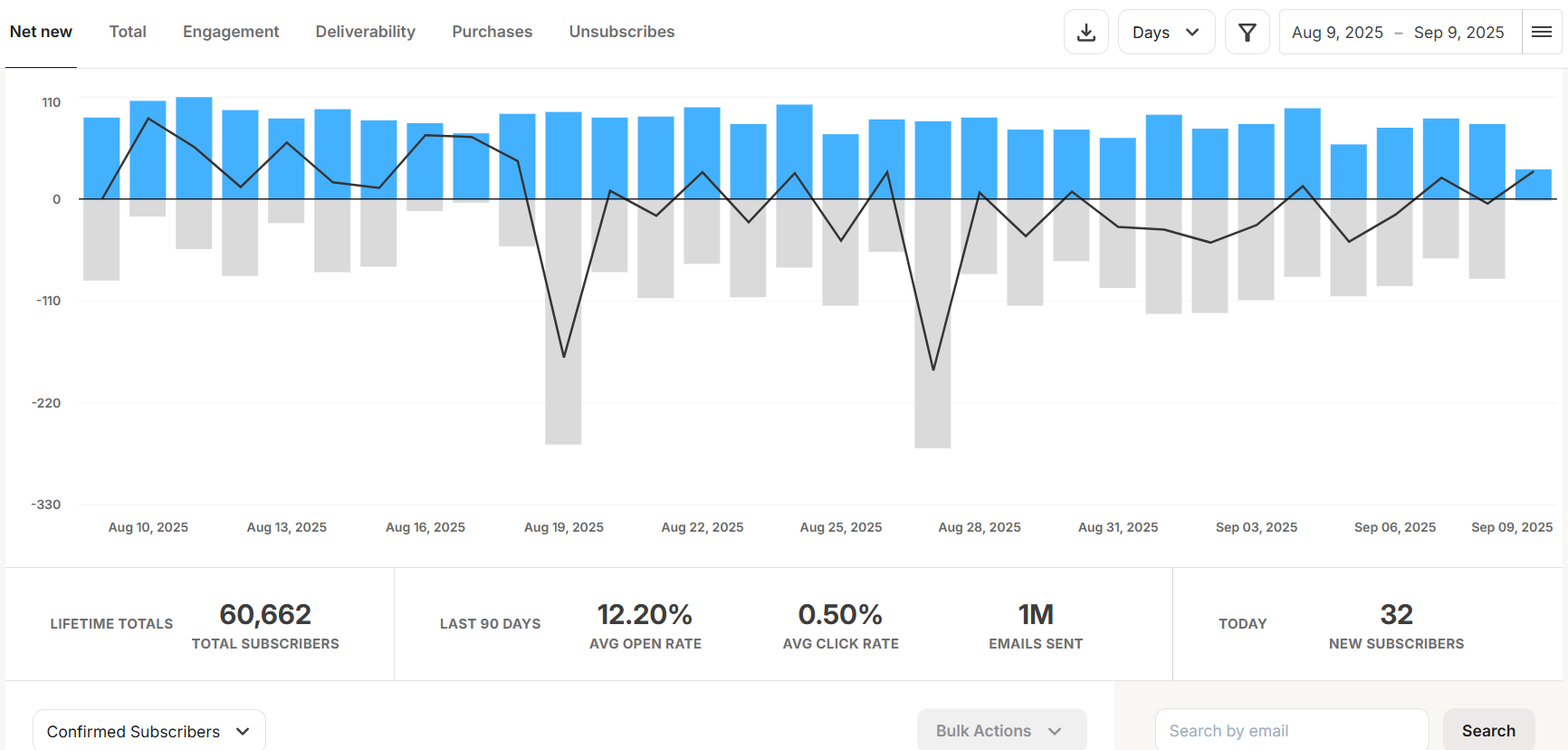
Granted, Substack is introducing automations and features to give creators more control. But if Substack disappeared tomorrow, having a separate email list becomes your parachute.
Besides, having your own website lets you get way more aggressive with how you collect emails.
Just take a look at the stats on one of my Kit pop-up forms on one of my content sites:
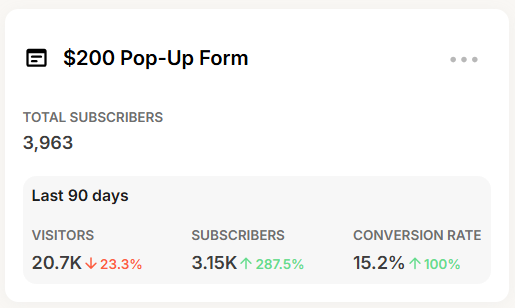
This form fires when someone visits my website for 15 seconds. It offers them a digital download freebie (which is packed with affiliate offers) in exchange for their email.
This form has a 15.2% conversion rate! It also makes money right away through affiliate offers!
Compare this to your conversion rate on Substack, and you’ll see what I’m getting at.
Having your own landing pages/website lets you get aggressive and creative with audience building.
💸 Start building a second list with Kit and get 14 days for free!
2. You Create Incredible Monetization Options
You can make money on Substack without paid subscriptions. Same goes if you’re just freelancing online or are building an audience on social media.
But like building an email audience, having your own website opens significantly more monetization doors.
With your own website, you can:
Add display advertisements to your website (Google Adsense, Mediavine, etc.)
Get paid to promote other newsletters with Sparkloop
Add more aggressive affiliate offers (pop-ups/exit-intent, more aggressive CTAs)
Sell digital products with on-page checkout
Sell backlinks (less common, but still a thing)
I’m doing all of these things now with my various content businesses. This is also the combination I used to make $1M+ in my twenties and scale one of my blogs to over $1M in revenue before selling it.
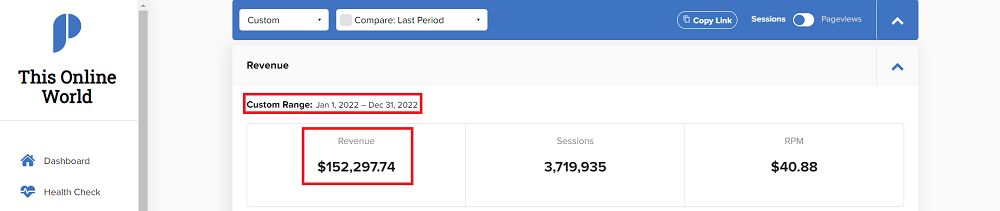
This is the common theme: when you build your own sandbox, you get to make the rules.
3. You Unlock Better Branding + Professional Credibility
In 2026, readers want to know you’re legit amidst the wave of AI slop. Brands and companies that want to hire you do as well.
This is why having your own website is important, especially if you sell professional/freelance services.
You own website lets you:
Have an in-depth About page
Add contact forms / booking systems
Look more polished to sponsors
Rank on Google (Substack can rank, but so can your own professional services website)
Tell your story visually
Build trust outside the Substack ecosystem
When someone Googles you, what do you want them to find? Your own website, or your social profiles and Substack?
4. You Diversify Platform Risk
Substack is amazing…But so was Medium 😂
Now I have high hopes for Substack moving forwards. I love the new features they’re adding for creators. I also think the platform’s push for video and live-streaming is keeping up with the times. And I am SO pumped for Substack to potentially add advertisement options from a revenue perspective.
Regardless, what happens if:
Algorithm changes tank your reach?
Payments freeze?
New fees roll out?
The platform gets acquired?
You get shadow banned?
Ask anyone who built their entire business on: YouTube, Medium, Facebook pages, Tumblr, Vine, Instagram reach, TikTok creators fund…
Platforms change all the time. Your own website and owned audience/data never betrays you.
Related 👉 How To Become Stupidly Wealthy With A One-Person Business.
5. You Build A Second Sending Domain
Substack has awesome deliverability. This is one of the main advantages of writing here and sending emails through Substack.
But again, having your own website lets you build a new email list and sending domain, assuming you start sending emails from your website.
If Substack ever tanks your deliverability or you want to move away from the platform, you won’t start from zero on a fresh domain. Instead, you’ll have been sending emails from your own domain for months or years, hopefully improving your sending reputation in that time.
Remember: deliverability = money.
This is true for affiliate marketing, lead generation, digital products, and selling services. If you can’t reach your customers, your flywheel stops working.
Extra Reading - How To Market Your One-Person Business.
6. You Unlock Potential Long-Term Domain Value
Domain names and websites are pieces of digital real estate.
When you build your own website, you’re potentially building an asset that appreciates. So you actually have an asset that’s flippable/you can sell for a nice exit.
This is exactly what I did with one of my finance blogs.
I started blogging in 2018 on a fresh domain. After scaling it to over $1M in revenue, I sold it at the end of 2023 for a certain multiple based on the trailing 24 months of revenue. This also included the value of the domain name and all the social profiles associated with the brand.
You can’t really do this if you just create content on Substack. I’m sure some people are/will sell accounts, but it won’t be as easy.
This matters slightly less if you’re just making a professional website for services you offer. But for affiliate marketing or lead-gen, you definitely need your own websites. And you’d be surprised at what people are willing to pay for an income-generating website, even with a cooler market these days.
7. You Develop New Skills While Having More Fun
Creating valuable content on Substack people actually care about is difficult.
Creating a website and learning how to funnel traffic to it is another skillset entirely. But if you want to make money online with content, it’s something you must learn.
By creating your own website, you’ll learn:
How to design websites that convert
On-page SEO
Hosting and website management basics
Branding
How to drive traffic back to high-value landing pages
The entire process is also fun. I remember being so excited when I started building websites and blogs back in 2017/2018. I even felt pretty emotional when I sold my first blog. Years later, I still love this entire process.
Ultimately, creating your own little corner of the internet is like planting a digital garden. You get to see what grows and nurture your digital assets.
Extra Reading - These 4 Automations Make Money While You Sleep.
Next Steps - It’s Time To Take Action
Like I said, Substack is amazing. But anyone looking to make money with content in 2026 and beyond needs their own website so they are in control of their destiny.
That’s really what this is about. You need the keys to the kingdom so you have control, flexibility, and mitigate solo-platform risks.
Getting started isn’t rocket science either, even if you’ve never built a website before.
You can get started with Hostinger for about $3 a month (and use my code TOMBLAKE10 for a nice 10% discount 😎)
Many plans include a free domain name, and with its AI website builder and existing templates, you can have your own website up and running in an afternoon of work.
From there, the digital world is your digital oyster. You can start exploring monetization and audience-building opportunities that simply aren’t possible when you don’t own your own website. This process is incredibly exciting, so I encourage you to dive in!
Anyways, that does it for this one!
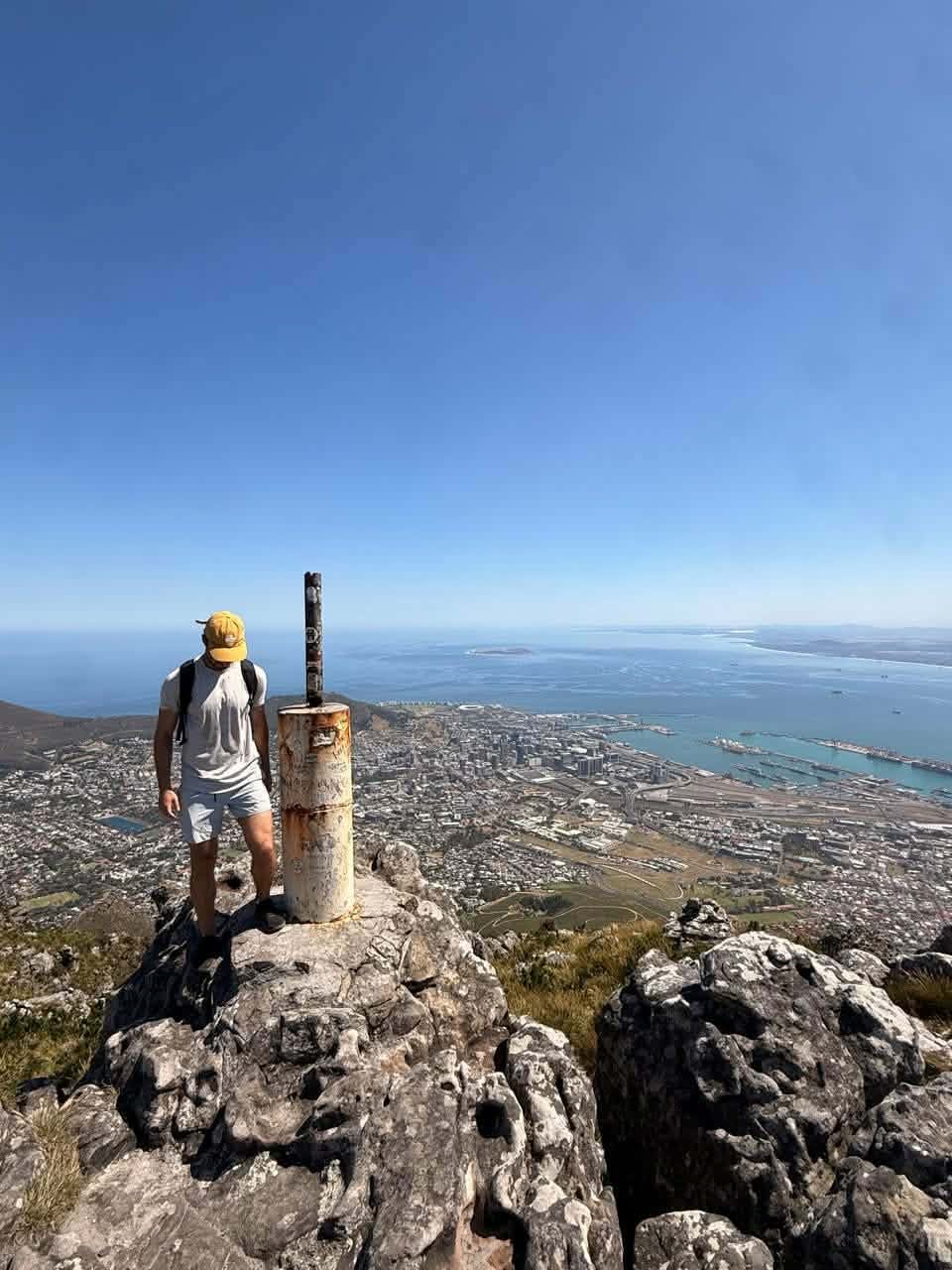
Summer is getting into full swing here in Cape Town. I’ve been busy hiking, exploring, and prepping for the year ahead. Honestly, I’m incredibly excited to put out a lot more content here on Substack in 2026, and there’s some pretty cool plans in the works I’m keen to share soon.
I’d love and appreciate if you subscribe to stay up-to-date with what’s coming. And as always, thanks for your readership and support.
I’ll catch you in the next one.
Tom from WiFi Wealth.
😎 PS: Want to scale your online income in the new year? You can book a paid consulting call with me. Let’s uncover new opportunities for your business and how to build your audience and increase revenue.
Note: some of the links in this article are affiliate links. I may receive compensation when you sign up for various products/services at no additional cost to you. Thank you for your support.
Are you sending a newsletter from Kit also? I sent from both Kit and Substack for a year and then stopped sending from Kit. It was too much work. I'm still collecting emails from Kit landing pages though. P.S. I recognise a Cape Town hike when I see it :)
For all the reasons you outlined so well in this article, I make weekly backups of my Substack publications. It’s just a single click in the Settings page. If Substack ever decides to change the rules, block my account, or anything along those lines, I’ll still have both my content and email list ready to go. No need to panic—I can send my newsletter to the same subscribers the very next day via Kit, Beehiv, or any other platform.
All of my Substack publications use custom domain names, so if I ever need to move, my URLs stay the same. Readers can continue accessing my content at the exact same web addresses.
While I fully agree with your concerns (they're 100% valid), I believe that keeping recent backups and using your own domain is solid enough protection.